





B12 Injection Side Effects

B12 injections are generally well‑tolerated for most people, but like any prescription treatment they can cause side effects ranging from mild soreness at the injection site to rare allergic reactions or more serious symptoms in people with certain underlying conditions. Your exact risk of side effects can also depend on your B12 injection dosage, how often you inject, and practical details like needle gauge and syringe choice, which you can review in our B12 Injection Needle Size & Supplies guide. On this page, you'll find a plain‑language guide to the most common B12 injection side effects, what's considered a normal reaction, which red‑flag symptoms should prompt a call to your provider, and how the risk profile compares with oral B12 supplements, sublingual tablets, nasal sprays, and over‑the‑counter "B12 energy" shots. For a deeper look at the full spectrum of reactions that have been reported in clinical and real-world use, our dedicated guide to the adverse effects of B12 injections covers common, less common, and serious reactions in detail along with how to minimize risk through proper technique and physician oversight. For people who have already started treatment and want to understand what constitutes a normal response versus something that needs attention, our guide to B12 injections reactions breaks down exactly what to expect and when to contact your provider. For a detailed timeline of what to expect in the hours, days, and weeks following each dose, our guide to the after effects of B12 injection covers everything from normal injection site soreness to positive improvements in energy and cognition. If you are still deciding whether injections are right for you, you may also want to review our detailed overview of B12 injection benefits and our breakdown of B12 injection cost so you can weigh potential results, safety, and pricing side by side before starting treatment.

Common B12 Injection Side Effects

  • Injection‑site reactions such as significant redness, swelling, or persistent pain
  • Generalized itching, hives, or rash that may suggest an allergic response
  • Shortness of breath, chest tightness, or rapid heartbeat in rare sensitivity cases
illustration of more serious B12 injection side effects such as swelling and rash
Beyond these less common but more noticeable reactions, most B12 injection side effects are mild and short‑lived, often limited to temporary soreness, light bruising, or a warm, itchy feeling at the injection site. Some people also report brief headache, fatigue, or mild digestive changes such as nausea or loose stools as their body adjusts to treatment, especially during the first few injections. In medically supervised programs, providers review your health history, dosing plan, previous responses to B12, and the approved B12 injection sites you use so they can minimize these side effects and decide whether injections or alternative forms like oral supplements are the right fit for you.

B12 Injection Dosage Programs Online

Many people researching B12 injection benefits also want to understand how much treatment costs and what real‑world programs look like. Through medically supervised telehealth providers, eligible patients can complete a quick online consultation and receive clinician‑approved B12 injection plans shipped directly to their home. These structured programs are designed to help maximize B12 injection benefits while keeping costs predictable and maintaining safe, consistent dosing over time.

B12 Injection Side Effects Over Time

  • First injections are most likely to cause noticeable soreness, headache, or nausea as your body adjusts.
  • With ongoing treatment, most people report that side effects become milder and less frequent between doses.
  • Long‑term use is generally well‑tolerated when injections are dosed appropriately and monitored by a healthcare professional.
timeline showing how B12 injection side effects often lessen with ongoing treatment
Some people notice side effects most strongly after their first few B12 injections, when rapidly rising B12 levels and increased red blood cell production can briefly trigger headache, fatigue, or a general “off” feeling. As treatment continues and levels stabilize, these reactions usually become less frequent and less intense, while injection‑site irritation often settles into a predictable, short‑lived soreness that fades within a day or two. Clinical guidance and drug information sheets describe vitamin B12 as a medication with a low overall risk profile, and long‑term intramuscular use is typically well‑tolerated when dosing schedules are tailored to the individual and monitored over time, especially when your needle gauge and syringe choice match your plan as outlined in our B12 Injection Needle Size & Supplies guide.

B12 Injection Side Effects vs Oral B12

  • Oral B12 is absorbed through the digestive system and usually causes fewer injection‑site or systemic reactions.
  • People with absorption problems may still have symptoms of low B12 on oral forms despite minimal side effects.
  • Injections bypass the gut, so side effects are more about the shot itself than stomach upset or digestion.
comparison of B12 injection side effects versus oral vitamin B12 supplements
Oral B12 tablets, capsules, and sublingual forms are swallowed or dissolved and absorbed through the digestive tract, so they rarely cause injection‑site reactions or systemic symptoms beyond occasional mild stomach upset. For people with absorption issues, however, oral B12 can leave deficiency symptoms unresolved even when side effects are minimal, which is why injections are often recommended despite involving a needle and a slightly higher chance of localized soreness or bruising. When both options are appropriate, providers typically weigh convenience, absorption, and your tolerance for potential side effects before recommending one route over the other.

Who Is More Likely to Notice B12 Injection Side Effects

  • People with a history of allergies, especially to injectable medications or cobalt.
  • Those with very low baseline B12 who start on higher‑dose injection protocols
  • Individuals with certain medical conditions or on multiple medications that affect the immune or cardiovascular system.
patient discussing B12 injection side effect risk factors with a clinician
Drug information sheets note that B12 injections can trigger stronger reactions in people with a history of allergies, particularly to cobalt or components in injectable medicines. Side effects can also feel more noticeable when very deficient patients begin higher‑dose or more frequent injection schedules, because the body is rapidly correcting low B12 and ramping up red blood cell production. Providers usually review your medical history, medications, and previous responses to injections so they can choose an appropriate dose and schedule that balances effectiveness with a low likelihood of bothersome side effects, including when B12 is used in structured B12 injections for weight loss programs.

How Long Do B12 Injection Side Effects Last?

  • Injection‑site soreness or redness usually improves within 24–48 hours.
  • Headache, fatigue, or nausea typically fade within a day as your body adjusts.
  • Persistent or worsening symptoms are uncommon and should be reviewed with a healthcare professional.
clock and injection illustration showing typical B12 side effect duration
For most patients, the “everyday” B12 injection side effects are short‑lived: mild soreness, redness, or warmth at the injection site tends to peak within a few hours and fade over the next one to two days. Transient symptoms like headache, light fatigue, or mild nausea usually resolve within about 24 hours as your circulation and nervous system adapt to higher B12 levels. Ongoing, worsening, or unusual symptoms are considered uncommon in standard clinical use, which is why long‑term B12 injection therapy is generally described in the literature as well‑tolerated when appropriately prescribed and monitored.

Frequently Asked Questions
About B12 Injection Side Effects

Clinical references describe vitamin B12 injections as generally safe and well‑tolerated when prescribed at appropriate doses, with most side effects being mild and temporary.

The most commonly reported side effects are soreness, redness, or swelling at the injection site, along with occasional headache, fatigue, or mild nausea that typically resolves within a day or two.

True allergic reactions to B12 injections are considered rare, but drug information sheets note that generalized itching, hives, rash, or breathing changes can occur in people who are sensitive to cobalt or other components.

Many patients notice side effects most strongly after their first few injections, then report that soreness and systemic symptoms become milder and less frequent as levels stabilize and the body adjusts.

Oral B12 is absorbed through the digestive tract and rarely causes injection‑site reactions, while injections can cause local soreness but offer more reliable absorption for people with digestive or absorption issues.
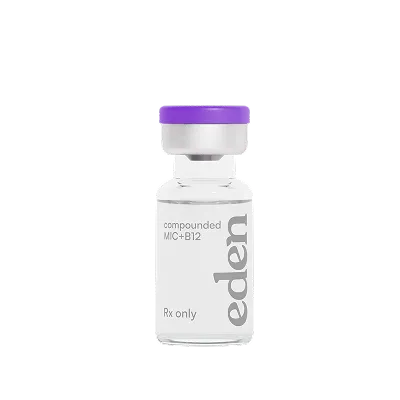
Ready to Get Started with B12 Injections?

Find out if you qualify for a physician-guided B12 injection program from the comfort of your home. No clinic visits, no waiting rooms — just a simple online eligibility review and fast home delivery if approved.


Find more details about B12 Injections.