

B12 Injection Dosage

How Much and How Often?

Most people searching for B12 injection dosage want clear, practical guidance on how much B12 is typically used, how often shots are given, and how long a standard treatment plan usually lasts. This page explains common B12 injection dose ranges used in medically supervised programs, how providers adjust dosage and frequency based on lab results and symptoms, and what a typical loading phase and maintenance schedule can look like for people with low or deficient B12 levels. If you also plan to give your shots at home, you may find it helpful to read our full guide to B12 injections at home so you can see how dosage, supplies, injection sites, and day‑to‑day routines fit together in one plan.

Typical B12 Injection Dosage

  • Standard adult doses often range from 500 mcg to 1,000 mcg of vitamin B12 per injection.
  • Higher doses are sometimes used at the start of treatment, then reduced once levels and symptoms improve.
  • Exact dosage depends on lab results, symptoms, and whether you receive hydroxocobalamin or methylcobalamin.
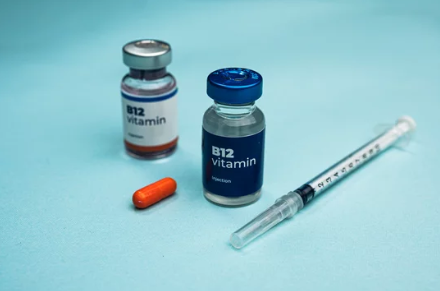
standard vitamin B12 injection dosage vial and syringe on medical tray
In most adult treatment plans, B12 injection dosage falls within a fairly narrow range, with many providers prescribing 500 mcg to 1,000 mcg per shot depending on how low your starting levels are and how severe your symptoms feel. Some protocols begin with a higher dose or more concentrated form of B12 during the initial “loading” phase and then step down to a lower maintenance dose once blood tests and day‑to‑day energy improve. Clinical guidelines emphasize that the most appropriate dose is the one tailored to your lab work, health history, the specific B12 formulation being used, and the approved B12 injection sites your clinician recommends rather than a one‑size‑fits‑all number.

B12 Injection Dosage Programs Online

Many people researching B12 injection benefits also want to understand how much treatment costs and what real‑world programs look like. Through medically supervised telehealth providers, eligible patients can complete a quick online consultation and receive clinician‑approved B12 injection plans shipped directly to their home. These structured programs are designed to help maximize B12 injection benefits while keeping costs predictable and maintaining safe, consistent dosing over time.

B12 Injection Frequency

  • Many protocols start with weekly B12 injections for 4–6 weeks to quickly correct low levels.
  • After the loading phase, dosing often shifts to every 1–3 months for maintenance, depending on labs and symptoms.
  • People with chronic absorption problems may stay on long‑term maintenance injections instead of switching back to oral B12 alone.
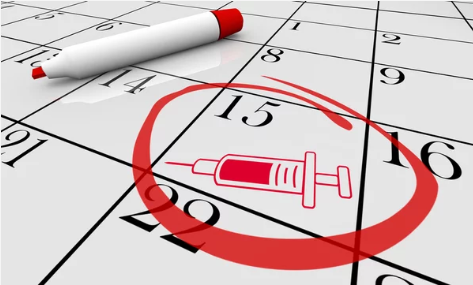
calendar showing typical B12 injection dosage and frequency schedule
Most B12 injection plans are built around an initial loading phase followed by a longer maintenance phase, so your dose frequency changes over time rather than staying the same forever. A common pattern is weekly injections for the first month or two to bring B12 levels up quickly, then spacing shots to every four to twelve weeks once blood tests and day‑to‑day symptoms are stable. For a complete breakdown of how these protocols are structured across different conditions and health goals, our dedicated guide to vitamin B12 injections dosage and frequency covers standard loading and maintenance schedules in detail so you know exactly what to expect before starting a physician-guided program. If you are still deciding whether this type of schedule makes sense for you, you can compare typical dosing patterns with the potential B12 injection benefits, overall B12 injection cost, and what you learned about B12 injection side effects to see how the full picture fits your goals.

Loading Dose vs Maintenance Dose

  • Loading doses are usually higher and more frequent to correct deficiency quickly.
  • Maintenance doses are lower or spaced farther apart once B12 levels and symptoms stabilize.
  • Your exact transition point from loading to maintenance depends on follow‑up lab results and how you feel.
diagram showing B12 injection loading dose followed by lower maintenance doses
B12 injection programs often use a two‑phase structure: a loading phase designed to rebuild low stores quickly, followed by a maintenance phase that keeps levels steady with less frequent or lower‑dose injections. During the loading phase, doses may be given weekly or even more often in some protocols, then gradually transition to a maintenance schedule once follow‑up blood work and day‑to‑day symptoms show that deficiency has been corrected. For most people, this stepped approach helps balance strong, reliable results from injections with long‑term convenience, predictable routines, and a dosing plan that can be adjusted if labs or symptoms change over time.

B12 Injection Dosage by Condition

  • People treated for pernicious anemia or severe deficiency often start on higher or more frequent B12 doses than those using injections for general wellness.
  • Maintenance dosage can differ for post‑bariatric surgery patients, vegetarians, and adults over 50 because their long‑term B12 needs are not the same.
  • Your provider will usually match dose and schedule to your diagnosis, absorption status, and how your levels respond over time.
provider reviewing B12 injection dosage plan by condition with patient
B12 injection dosage is rarely identical for every patient, because the reason you are receiving injections plays a big role in how much B12 you need and how often you receive it. Someone correcting long‑standing pernicious anemia or a severe deficiency may begin with a more aggressive dose and schedule than someone using injections to support energy after bariatric surgery or to back up a vegetarian or vegan diet. As follow‑up blood tests and symptom changes come in, providers typically fine‑tune both dose and frequency so your B12 level stays within a healthy range without over‑ or under‑treating, and if your primary goal is weight management they may also review whether structured B12 injections for weight loss belong in your overall plan. If you are still deciding whether to go through a provider or source injectable B12 another way, our guide to B12 injections over the counter breaks down what OTC options exist and why a physician-prescribed program gives you better control over your dose and results.

How Lab Results Shape B12 Injection Dosage

  • Initial B12, methylmalonic acid, and homocysteine lab results help determine your starting dose and frequency.
  • Follow‑up blood tests show how well you are absorbing injections and whether your dosage needs to go up, down, or stay the same.
  • Providers also factor in symptoms, medications, and medical history instead of relying on lab numbers alone.
clinician reviewing B12 lab results to adjust injection dosage over time
B12 injection dosage is not usually set once and left alone; it is adjusted over time as your lab results and symptoms change. Initial blood work, often including vitamin B12, methylmalonic acid, and homocysteine, gives your provider a baseline for how deficient you are and whether a more intensive dosing schedule is needed at the start. Follow‑up labs then show how your body is responding to treatment so your dose and injection frequency can be increased, reduced, or kept steady, with your day‑to‑day energy, mood, and nerve‑related symptoms weighed alongside the numbers.

Frequently Asked Questions
About B12 Injection Dosage

Many adult protocols use 500 mcg to 1,000 mcg of vitamin B12 per injection, with the exact dose tailored to your deficiency level, symptoms, and the form of B12 your provider prescribes.

A common loading schedule is one injection per week for 4 to 6 weeks, although some guidelines use slightly different frequencies based on how low your levels are and how you feel.

After the loading phase, many people move to maintenance injections every 1 to 3 months, with timing adjusted according to follow‑up blood tests and symptom control.

No; dosage often differs for conditions like pernicious anemia, post‑bariatric surgery, or diet‑related deficiency, so providers usually individualize both the dose and frequency rather than using a single standard for everyone.

Providers typically review your B12 level, methylmalonic acid, and related markers over time; if labs show that levels are still low or drifting down, they may increase the dose or shorten the interval between injections, and if levels are stable, they may maintain or gently space out doses.
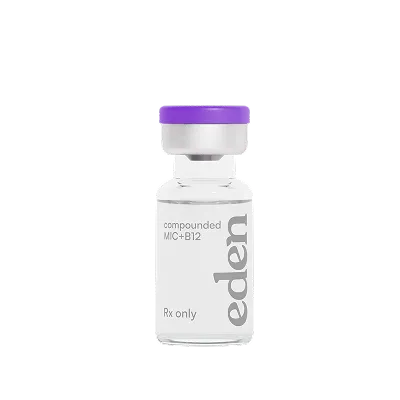
Ready to Get Started with B12 Injections?

Find out if you qualify for a physician-guided B12 injection program from the comfort of your home. No clinic visits, no waiting rooms — just a simple online eligibility review and fast home delivery if approved.


Find more details about B12 Injections.