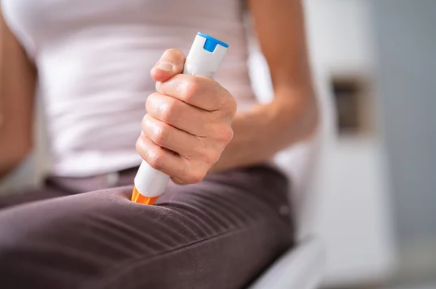


Common B12 injection sites include the upper outer arm (deltoid), outer thigh, and upper buttock or hip area in medically supervised programs. Your provider will recommend specific sites based on whether you’re using intramuscular or subcutaneous injections and whether you’re injecting yourself or with help.
Many people find the outer thigh easier for self‑injections because it’s simple to see and reach, while the upper arm can work well if a partner or clinician is giving the shot. Both can be effective when you follow your provider’s instructions, rotate sites, and stick to your recommended dosing schedule.
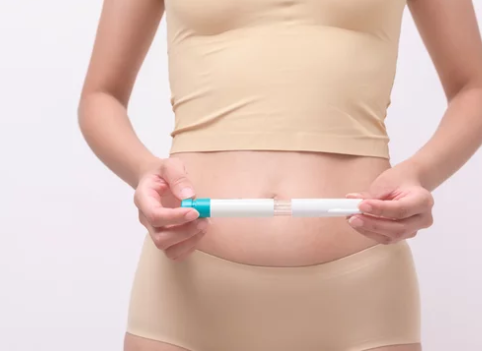
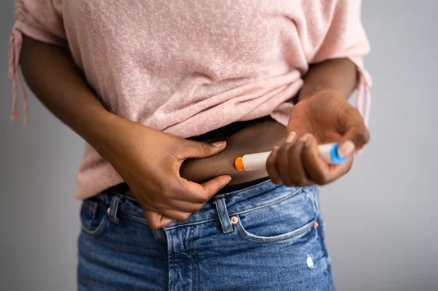
Some B12 programs use subcutaneous injections in the fatty tissue of the lower abdomen, but this should only be done if your clinician has specifically approved that site for you. They will show you exactly where to inject, what needle length to use, and how to watch for side effects before you start.
If you receive B12 shots regularly, most clinicians recommend rotating between approved sites to reduce soreness, bruising, and skin irritation. Your specific rotation pattern usually depends on how often you inject and which sites your provider has cleared for you.
Red‑flag signs include severe or worsening pain, hard or hot swelling, a rapidly spreading rash, or symptoms like trouble breathing, chest tightness, or a racing heartbeat. If you notice any of these after a B12 shot, seek medical care right away and let your clinician know before your next dose.
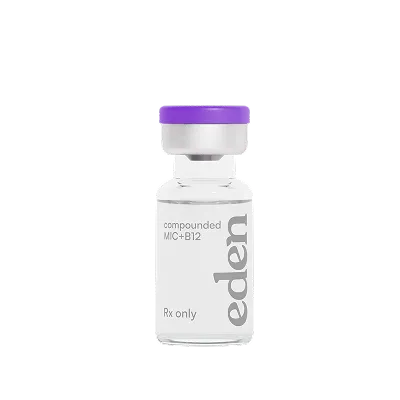
Find more details about B12 Injections.