

B12 Injection Sites:
Where and How to Inject Vitamin B12 Shots

A simple, doctor‑guided guide to safe B12 injection spots at home

Many people search for B12 injection sites when they’re getting ready to give themselves a vitamin B12 shot at home and want to be sure they’re doing it safely and correctly. This guide explains the most common places to inject B12, how to tell the difference between intramuscular and subcutaneous spots, and what to expect when you use each area. You’ll also learn hoMany people search for B12 injection sites when they’re getting ready to give themselves a vitamin B12 shot at home and want to be sure they’re doing it safely and correctly. This guide explains the most common places to inject B12, how to tell the difference between intramuscular and subcutaneous spots, and what to expect when you use each area. You’ll also learn how doctor‑guided B12 injection programs work, how often people typically inject, and how dosing can change over time (see our B12 injection dosage guide for more on schedules and amounts). If you want to understand the full at‑home process from start to finish, you can also review our main guide to B12 injections at home. By the end, you’ll know the basic steps to choose a safe injection site, what side effects to watch for (covered in detail in our B12 injection side effects guide), and how to connect with a telehealth provider if you’d rather follow a personalized plan.w doctor‑guided B12 injection programs work, how often people typically inject, and when to call a clinician if something doesn’t feel right. By the end, you’ll know the basic steps to choose a safe injection site and how to connect with a telehealth provider if you’d rather follow a personalized plan.

Key B12 Injection Sites at a Glance

  • Upper outer arm (deltoid) is a common intramuscular site for B12 shots in supervised programs.
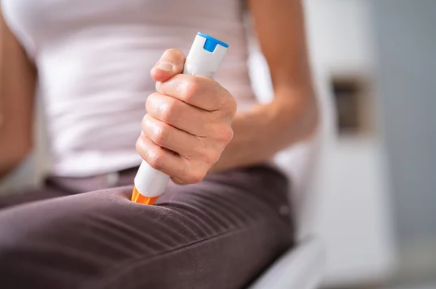
  • Outer thigh is another frequently used site that’s easy to reach for self‑injection.
  • Upper buttock/hip area can be used in some programs when someone else is giving the injection.
Diagram of common B12 injection sites in the upper arm, outer thigh, and upper buttock for safe vitamin B12 shots at home
When you’re learning where to give a B12 shot, providers usually focus on a few well‑studied spots that have enough muscle and are easy to reach. The upper outer arm (deltoid), the outer thigh, and the upper buttock or hip area are commonly recommended injection sites in medically supervised B12 injection programs. In an at‑home plan, clinicians often help you choose between these locations based on your body type, mobility, and whether you’ll be injecting yourself or having a partner assist you. Choosing a consistent, approved site makes injections more predictable and can help reduce soreness and other minor reactions over time.

B12 Injection Dosage Programs Online

Many people researching B12 injection benefits also want to understand how much treatment costs and what real‑world programs look like. Through medically supervised telehealth providers, eligible patients can complete a quick online consultation and receive clinician‑approved B12 injection plans shipped directly to their home. These structured programs are designed to help maximize B12 injection benefits while keeping costs predictable and maintaining safe, consistent dosing over time.

Intramuscular vs Subcutaneous B12 Injection Sites

  • Intramuscular (IM) B12 injections usually go into deeper muscle in the upper arm, outer thigh, or hip.
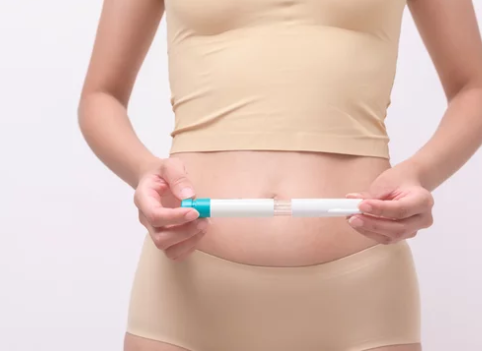
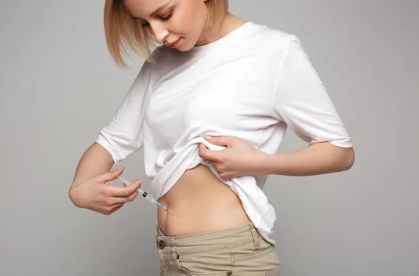
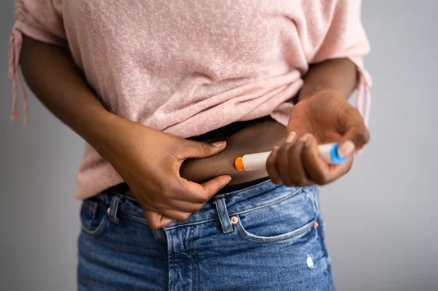
  • Subcutaneous (SubQ) B12 injections use the fatty layer just under the skin, often in the abdomen or outer thigh.
  • Your provider chooses IM or SubQ based on your dose, comfort, body type, and how quickly you need levels to improve.
Illustration comparing intramuscular and subcutaneous B12 injection sites in the arm and thigh
B12 shots can be given either into a muscle or just under the skin, and the best method for you depends on your overall treatment plan and dosing schedule. Intramuscular injections reach deeper muscle tissue in areas like the upper arm, outer thigh, or hip, which can support faster absorption when levels are very low. Subcutaneous injections go into the fatty layer under the skin, often in the abdomen or outer thigh, and may feel gentler while still correcting B12 deficiency in many people. In physician‑guided programs, clinicians explain which technique they recommend for you, show you exactly where to inject, and adjust your plan based on your response so your B12 levels improve safely over time.

How to Choose the Best B12 Injection Site for You

  • Consider reach and comfort so you can inject in the same safe spot consistently.
  • Follow your clinician’s instructions about intramuscular vs subcutaneous technique.
  • Rotate approved sites if you inject frequently to reduce soreness and irritation.
Person selecting and marking a safe B12 injection site on the outer thigh at home
The “best” B12 injection site is usually the one you can reach easily, see clearly, and use consistently without a lot of twisting or straining. Many people prefer the outer thigh for self‑injections, while others do better with the upper arm if a partner or clinician can help. Your provider will show you exactly where to inject based on whether you’re using an intramuscular or subcutaneous technique and what makes sense for your body and health goals. If you’re injecting regularly as part of a structured program, rotating between approved sites can help reduce tenderness and protect the skin and muscle over time.

Step‑by‑Step B12 Injection Site Guide

  • Clean the skin and gather your supplies before choosing your injection spot.
  • Pinch or stretch the skin as instructed for intramuscular or subcutaneous injections.
  • Insert the needle at the recommended angle and dispose of it safely afterward.
Step-by-step B12 injection site guide showing skin cleaning, needle placement, and safe disposal
Once your clinician has confirmed your dose and injection schedule, the actual process at each B12 injection site follows a simple routine. You wash your hands, clean the skin with an alcohol swab, and let it dry before positioning the needle at the angle your provider recommended for intramuscular or subcutaneous injections. After you inject the medication slowly and remove the needle, you apply light pressure with gauze and dispose of the syringe in a sharps container or other approved solution. Many telehealth programs also provide written instructions, videos, and bundled supplies so you can follow the same safe steps at home as part of a predictable, physician‑guided plan like those described in our B12 injection cost guide.

What to Watch for at B12 Injection Sites

  • Mild soreness, redness, or bruising at the site is common and usually short‑lived.
  • Call a clinician if you notice spreading rash, severe pain, or trouble breathing.
  • Some patients still use oral B12 daily to “top up” between doses so they can maintain B12 injection benefits with fewer office visits.
Person checking a mild red spot after a B12 injection site reaction on the upper arm
After a B12 shot, it’s normal for the injection site to feel a bit sore, pink, or bruised for a short time as your body responds to the needle and medication. These mild reactions often fade within a day or two, especially when you rotate approved sites and follow your clinician’s instructions. Contact a provider right away or seek urgent care if you notice a spreading rash, intense pain, hard swelling, or symptoms like trouble breathing, chest tightness, or rapid heartbeat, which are red‑flag signs discussed in our B12 injection side effects guide. Keeping notes about how each site feels and how your energy and mood change over time can also help you and your clinician fine‑tune your plan using the insights from our B12 injection benefits guide.

B12 Injection Sites FAQs

Common B12 injection sites include the upper outer arm (deltoid), outer thigh, and upper buttock or hip area in medically supervised programs. Your provider will recommend specific sites based on whether you’re using intramuscular or subcutaneous injections and whether you’re injecting yourself or with help.

Many people find the outer thigh easier for self‑injections because it’s simple to see and reach, while the upper arm can work well if a partner or clinician is giving the shot. Both can be effective when you follow your provider’s instructions, rotate sites, and stick to your recommended dosing schedule.

Some B12 programs use subcutaneous injections in the fatty tissue of the lower abdomen, but this should only be done if your clinician has specifically approved that site for you. They will show you exactly where to inject, what needle length to use, and how to watch for side effects before you start.

If you receive B12 shots regularly, most clinicians recommend rotating between approved sites to reduce soreness, bruising, and skin irritation. Your specific rotation pattern usually depends on how often you inject and which sites your provider has cleared for you.

Red‑flag signs include severe or worsening pain, hard or hot swelling, a rapidly spreading rash, or symptoms like trouble breathing, chest tightness, or a racing heartbeat. If you notice any of these after a B12 shot, seek medical care right away and let your clinician know before your next dose.
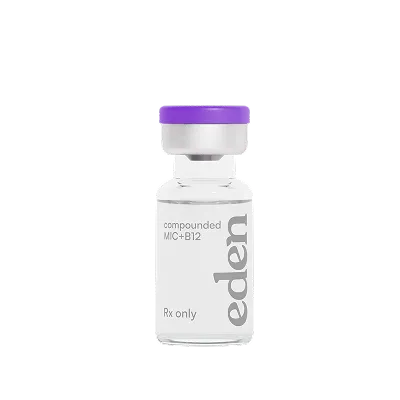
Ready to Get Started with B12 Injections?

Find out if you qualify for a physician-guided B12 injection program from the comfort of your home. No clinic visits, no waiting rooms — just a simple online eligibility review and fast home delivery if approved.


Find more details about B12 Injections.